

Steroid Creams and Eczema: What You Need to Know About Finding Relief, Avoiding Risks, and Supporting Your Skin Long-Term
Steroid creams are a common and effective treatment for eczema (atopic dermatitis), they can help calm the itching, redness, and inflammation that make eczema so uncomfortable. (1,2)
However, whilst they offer quick relief, it’s important to understand how they work, why their long-term use can sometimes lead to problems, and how you can support your skin with the right nutrition so that you don’t need to use them quite so much.
In this article, I’ll break down the pros and cons of steroid creams, why they can cause issues like rebound flare-ups or Topical Steroid Withdrawal (TSW), and how you can use nutrition to support your skin health as part of the Escape the Eczema Trap™ approach.
How Steroid Creams Work
Steroid creams are made from corticosteroids, which are a type of hormone naturally produced by the body. These hormones help control inflammation and manage immune responses. When you apply a steroid cream to your skin, it works by reducing inflammation, soothing your immune system, and calming down the chemicals that trigger eczema flare-ups.
Here’s how steroid creams help ease eczema:
- Reduce inflammation: Steroids calm the immune system by reducing the release of pro-inflammatory proteins, helping to ease swelling, redness, and itching.
- Shrink blood vessels: By making the blood vessels in the skin narrower, steroids help reduce redness and puffiness in the affected area.
- Calm the immune response: Steroid creams also reduce the activity of the immune cells that cause inflammation, preventing eczema from flaring up.
This quick relief is why steroid creams are so helpful in managing eczema, especially during flare-ups. However, whilst they can help soothe your skin in the short term, relying on them for too long can lead to some unwanted side effects.
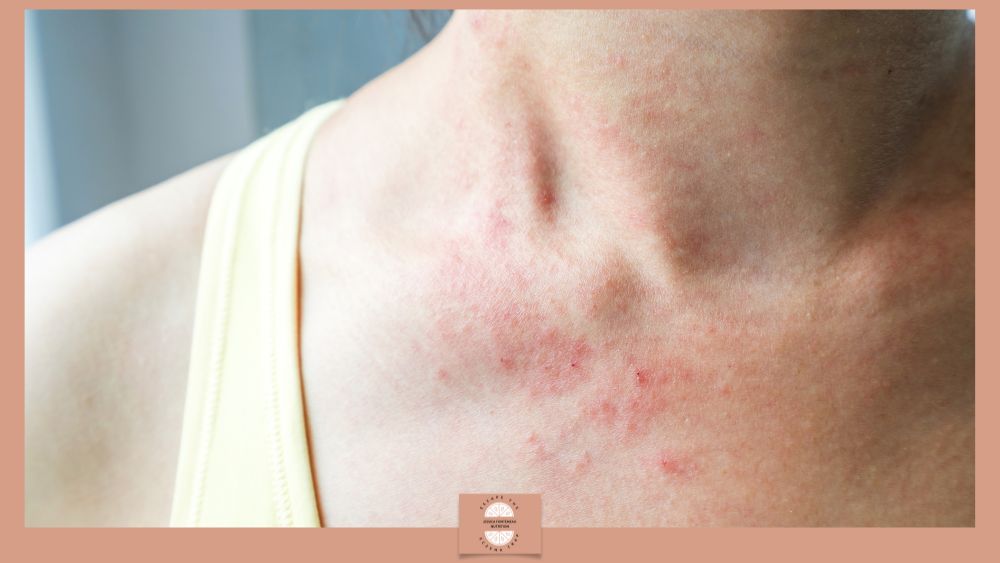
The Risks: Rebound Flare-Ups and Topical Steroid Withdrawal (TSW)
1. Rebound Flare-Ups
One of the risks of using steroid creams over an extended period is the potential for rebound flare-ups. This happens when you stop using the cream, and your eczema comes back even worse than before. The skin can become dependent on the steroids, and without them, your body may struggle to control inflammation, leading to a surge in symptoms like itching and redness. This is why it’s important to work with a professional when using steroid creams, so they can help guide you in reducing your use safely.
2. Topical Steroid Withdrawal (TSW)
Another issue with prolonged use of steroid creams is a condition known as Topical Steroid Withdrawal (TSW) (3). TSW happens when the body reacts badly to the abrupt stopping of steroid creams after long-term use. Symptoms of TSW can include:
- Intense redness and burning in the skin
- Peeling and flaking
- Thinning or fragile skin
- Increased sensitivity and painful flare-ups
TSW happens because, over time, steroids can weaken the skin’s natural barrier. When the steroids are stopped, the skin may struggle to recover and protect itself, leading to a more extreme reaction. TSW can last weeks or months, so it’s crucial to slowly reduce steroid use under the guidance of a healthcare professional to avoid this withdrawal process.
Supporting Your Skin Health Beyond Steroid Creams
Steroid creams are a helpful tool in managing eczema flare-ups, but they are not a long-term solution, and they don’t address the root cause of your dermatitis. If you want to reduce your reliance on them, it’s essential to support your skin from the inside out, using nutrition and lifestyle strategies that help tackle the root causes of eczema. This is a key part of the Escape the Eczema Trap™ approach, not just using treatments like steroid creams, but focusing on lasting solutions that give your skin the best chance to thrive.
Here’s how to help support your skin’s healing process and reduce your reliance on steroid creams through diet and lifestyle:
1. Focus on Anti-Inflammatory Foods
Reducing internal inflammation can make a big difference in how your skin reacts. The more you can support your body’s natural anti-inflammatory processes, the less likely you are to experience frequent flare-ups. Key foods that help reduce inflammation include:
- Omega-3 fatty acids: These are found in oily fish (like salmon and mackerel) and plant-based sources like flaxseeds and chia seeds. Omega-3s are excellent for calming inflammation in the body and supporting skin health.
- Anti-inflammatory spices: Adding turmeric and ginger to your meals can help soothe inflammation. These spices are naturally anti-inflammatory and can support your skin in a more long-lasting way.
2. Improve Gut Health with Probiotics
There’s growing evidence that gut health plays a significant role in skin conditions like eczema. A balanced gut microbiome helps regulate the immune system, reducing inflammation and supporting healthy skin. Probiotics found in fermented foods like kefir, sauerkraut, and kimchi can boost your gut health, which in turn helps reduce skin flare-ups.
Caution however! Fermented foods are also high in histamine, which is part of the inflammatory cascade, if you are in an acute flare my advice would be to wait before adding in any fermented foods and even then, start slowly.
3. Boost Your Vitamin D Intake
Studies have shown that a high proportionate of eczema sufferers are low in vitamin D, which can make flare-ups worse. Vitamin D supports the immune system and plays a crucial role in skin health. To boost your vitamin D levels, get outside in the sun (just 10-15 minutes a day can make a difference), and include vitamin D-rich foods in your diet, like fatty fish, egg yolks, and fortified dairy or plant-based milks. (4)

4. Get Enough Zinc for Skin Repair
Zinc is another essential nutrient for skin health. It helps to heal damaged skin and reduce inflammation. Zinc is found in foods like oysters, red meat, pumpkin seeds, and lentils. Ensuring you get enough zinc in your diet can support the healing of eczema and reduce the severity of flare-ups.
5. Include Vitamin E for Skin Protection
Vitamin E is an antioxidant that helps protect your skin from damage and supports its healing process. Including vitamin E-rich foods like almonds, sunflower seeds, spinach, and avocados in your diet can help strengthen your skin barrier and reduce the impact of eczema.
6. Eliminate Common Food Triggers
Many people with eczema have specific food triggers that worsen their condition. Common culprits include dairy, gluten, eggs, and soy. If you suspect a certain food is making your eczema worse, try an elimination diet under the guidance of a professional to identify any personal triggers.
Please note that elimination diets are not recommended for children as they can potentially worsen future reactions. Always consult with a nutrition or health professional before removing foods from your child’s diet.
Hydration: Don’t Forget the Basics
In addition to eating the right foods, staying hydrated is key for skin health. Dehydrated skin is more prone to irritation and flare-ups, so drinking plenty of water throughout the day helps maintain skin moisture and supports your body’s natural healing processes.

In summary:
Steroid creams are a helpful part of managing eczema and providing quick relief from inflammation, redness, and itching. However, long-term use can lead to complications like rebound flare-ups and Topical Steroid Withdrawal (TSW). To reduce your reliance on steroids and support your skin health in the long run, it’s important to focus on nutrition, hydration, and overall skin care.
The Escape the Eczema Trap™ approach combines steroid use with natural, sustainable solutions like anti-inflammatory foods, probiotics, and key nutrients to promote healthy skin and reduce flare-ups.
By taking a holistic approach to eczema management, you can help calm your skin, avoid the pitfalls of long-term steroid use, and regain control of your skin health for good. If you’re looking for more guidance on how to create a balanced plan for eczema relief, the Escape the Eczema Trap™ programme can help you build the right steps towards healthier, more resilient skin. Please click here to book in for a free introductory call.
References
1. Molin S, Ho JSS. A Review of Existing and New Treatments for the Management of Hand Eczema. Vol. 27, Journal of Cutaneous Medicine and Surgery. 2023.
2. Tasker F, Brown A, Grindlay DJC, Rogers NK, Harman KE. What’s new in atopic eczema? An analysis of systematic reviews published in 2018. Part 1: prevention and topical therapies. Vol. 45, Clinical and Experimental Dermatology. Blackwell Publishing Ltd; 2020. p. 974–9.
3. Orr N, Rogers M, Stein A, Coon JT, Stein K. Reviewing the Evidence Base for Topical Steroid Withdrawal Syndrome in the Research Literature and Social Media Platforms: An Evidence Gap Map. Vol. 26, Journal of Medical Internet Research. JMIR Publications Inc.; 2024.
4. Li Q, Zhou Q, Zhang G, Tian X, Li Y, Wang Z, et al. Vitamin D Supplementation and Allergic Diseases during Childhood: A Systematic Review and Meta-Analysis. Nutrients. 2022 Oct 1;14(19).


WHO AM I?
I’m Jessica Fonteneau, the Eczema and Digestive Health Nutrition Expert. I’ve worked with hundreds of clients to help them change their diets, better manage their flares, and find relief.
My vocation is to help those with eczema and digestive issues, because I have suffered with these interlinked conditions since I was 6 months old, and I truly know what it is like to experience these debilitating conditions.
Every client I have ever worked with has their own triggers and ideal nutrition. There is no such thing as ‘one-size-fits-all’. Whether you work with me one-to-one or use my guided tools, my objective is to help you uncover what works best for you, so that you take back control and experience relief.
My guided programmes are only suitable for adults as children have very specific nutrition requirements. I do, however, work with many child clients as part of my clinic.
To easily keep up with my articles, masterclasses, ebooks and online programmes and receive exclusive access to early bird offers, subscribe to my Substack, The Eczema Trap® here.
Google Reviews


Basit Gilani
7 months ago
We have been working with Jessica for a while now for my son’s eczema and many food intolerances. We have come a long way with him tolerating a lot more foods whilst previously being on such a limited diet. We have seen a huge difference in his skin too. One thing we love about working with her is that she is highly knowledgeable about how the gut works, what food works well and how to carefully introduce food to increase tolerance. We would honestly be so lost without her support. She provides timely responses if we have any concerns and always has such an empathetic approach if we have a little bump in our journey.
I would recommend Jessica to any parents struggling with their childs eczema or any individuals out there trying to figure out eczema, want to naturally heal through foods and identifying triggers to get relief in your flares.
I would recommend Jessica to any parents struggling with their childs eczema or any individuals out there trying to figure out eczema, want to naturally heal through foods and identifying triggers to get relief in your flares.

Insight Parenting
8 months ago
I have no hesitation in highly recommending Jessica. She really knows her stuff! I first consulted her six months ago with lack of appetite, lack of energy and depression, not unrelated to having recently become a widow. Right from the start I was very impressed at the way Jessica really listened to me during her consultations, writing very thorough and detailed reports afterwards with her holistic recommendations . Six months later I am eating better, have more energy and even able to go dancing regularly (which is not bad for a 74 year old!) Thank you Jessica

Katharina Ehrhart
11 months ago
Jessica has helped save my sanity when I was suffering from unexplained symptoms. She very quickly identified that this could be the side effects of an overdose of supplements and once I discontinued these, I felt better quickly. I continued working with Jessica on other food and lifestyle questions and always found her extremely helpful, patient and knowledgable. I would recommend her to friends and family.

Olivia Churchill
11 months ago
Jessica was a fantastic support when my 1 year old developed severe eczema. We worked together to identify the root cause of her symptoms and Jessica advised an easy to follow, realistic and successful protocol for us to follow to help her manage this. My daughter’s skin significantly calmed down within weeks and although it’s been a long journey her eczema has now disappeared. Jessica has extensive knowledge on eczema and created a personal plan for us to follow. She was always available and willing to help and reassure where needed. I wouldn’t hesitate to recommend her to anyone looking for support with nutrition or skin issues. Thank you so much!

Farah Fenoughty
2 years ago
We have been working with Jessica Fonteneau for several months now. From the very first consultation Jessica was empathetic and listened attentively to concerns about our son's health and Eczema. Since then we are really seeing the benefits of her advice and nutritional recommendations. I have learnt so much! Jessica's offers practical and manageable solutions and doesn't bombard you with too much information or unattainable goals. I am so glad we found Jessica Fonteneau and highly recommend.

Evie Smith
2 years ago
After struggling with severe eczema nearly all my life and trying countless steroid creams/emollients prescribed by dermatology consultants I have finally been able to take back control of my skin through Jessica's trigger identifying diet. The skills and tool kit she has provided me with have been life changing and I'm confident I have everything I need to continue my journey without the help of a professional. Jessica has helped me to feel empowered through understanding my body and I am very grateful.

Hayley Brookhouse
2 years ago
Jessica has helped me and my son so much with some persistent eczema on his face. She put together a highly comprehensive plan and considered all aspects of his diet, routine and lifestyle. She has checked in several times since our appointment and I felt she really cared about his health and well-being. Highly recommend to any parents whose child is suffering from an allergy or skin disorder!
 English (UK)
  Français