
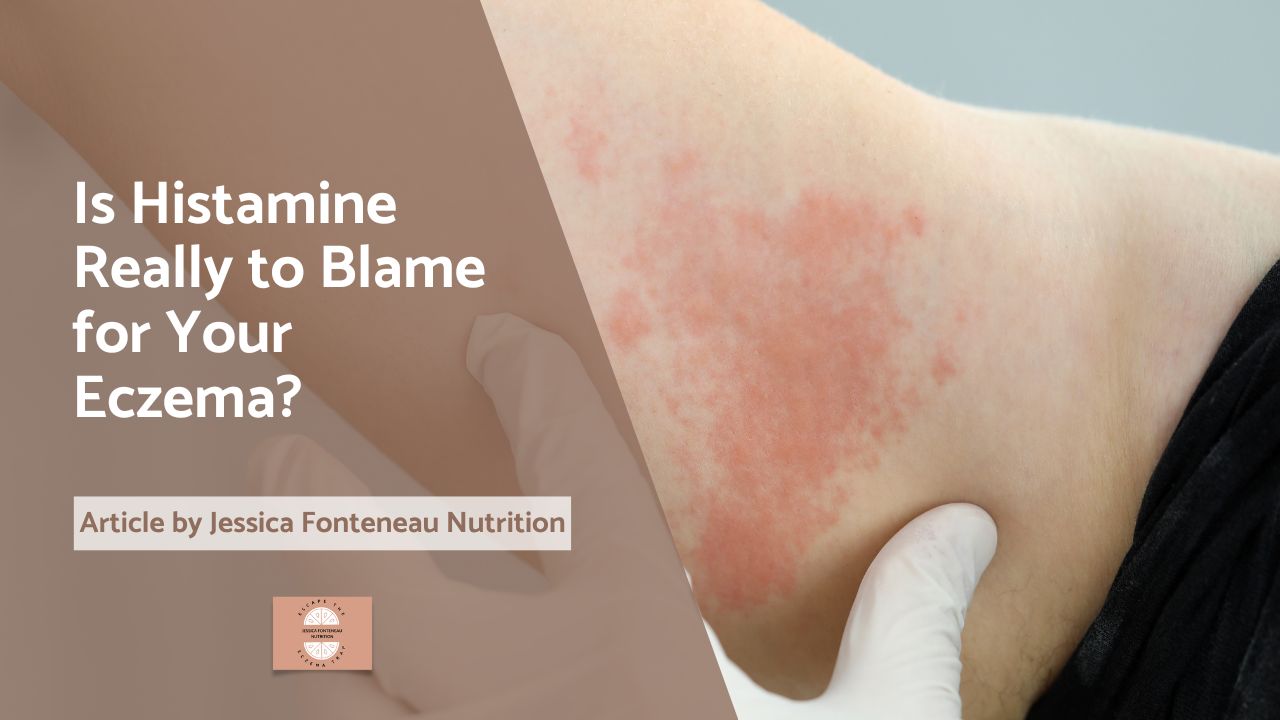
Is Histamine Really to Blame for Your Eczema?
Here’s what most people miss about so-called ‘histamine intolerance’
If you have eczema and the itching is relentless, you’ve probably spent time trying to figure out what’s behind it. Maybe you’ve noticed flares after eating things like strawberries, smoked salmon or mature cheese. A quick online search might have led you to the term histamine intolerance.
It sounds plausible, even scientific. So, you begin cutting foods from your diet. At first, you might feel some relief, but eventually, the itching returns, the inflammation persists and the list of foods you feel safe to eat keeps getting shorter.
Here’s what most people miss: histamine might be involved, but it isn’t the root cause. Reducing histamine can calm the fire, but it doesn’t explain what sparked it in the first place.
Why histamine isn’t the real problem
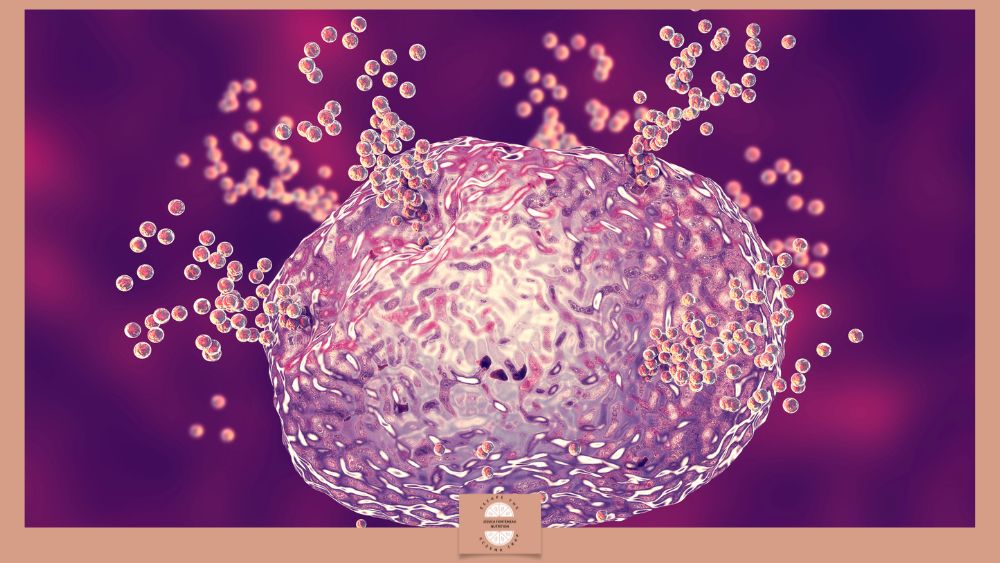
Histamine is a natural chemical your body produces in response to threats, whether from allergens, injuries or infections. It triggers inflammation and itching to alert the immune system. In eczema, however, this response can become exaggerated and chronic.
That doesn’t mean you’re truly intolerant to histamine. Your body makes it for good reason. What’s more likely is that too much histamine is building up, either because it’s being released in excess, or because your body isn’t clearing it effectively.
The phrase ‘histamine intolerance’ oversimplifies something far more nuanced.
Not all eczema is the same
Histamine’s role in eczema varies depending on the type. In atopic dermatitis, for example, it fuels the inflammatory response once allergens pass through a weakened skin barrier. In urticaria (hives), histamine is front and centre. In other types, like prurigo nodularis or contact dermatitis, the picture is more complex.
Understanding the type of eczema, you have can help you decide whether histamine is even worth focusing on.
You don’t need a histamine-free diet
The more accurate goal is histamine balance. That might involve:
- Avoiding histamine ‘liberators’ like alcohol, stress or intense exercise during flares
- Supporting the enzymes that break down histamine using nutrients such as vitamin C, B6, copper and magnesium
- Restoring gut health, as many gut bacteria can produce histamine when things are out of balance
In most cases, you don’t need to remove every high-histamine food forever. A short reset may help, but ongoing restriction can lead to nutritional gaps, frustration and food fear.
The real issue is immune system dysregulation
Histamine is not the enemy. It’s a messenger. The bigger picture includes a stressed or imbalanced immune system, nutrient deficiencies, a damaged gut, or disrupted skin barrier.
In my work, I call this the Eczema Trap — a cycle of flare, response, restriction and flare again, where histamine becomes part of a much bigger story.
So, if you’ve been eliminating food after food in search of relief, this may be your invitation to step back and take a more systemic view.
Want to understand how histamine really fits into eczema, and what to do about it?


WHO AM I?
I’m Jessica Fonteneau, the Eczema and Digestive Health Nutrition Expert. I’ve worked with hundreds of clients to help them change their diets, better manage their flares, and find relief.
My vocation is to help those with eczema and digestive issues, because I have suffered with these interlinked conditions since I was 6 months old, and I truly know what it is like to experience these debilitating conditions.
Every client I have ever worked with has their own triggers and ideal nutrition. There is no such thing as ‘one-size-fits-all’. Whether you work with me one-to-one or use my guided tools, my objective is to help you uncover what works best for you, so that you take back control and experience relief.
My guided programmes are only suitable for adults as children have very specific nutrition requirements. I do, however, work with many child clients as part of my clinic.
To easily keep up with my articles, masterclasses, ebooks and online programmes and receive exclusive access to early bird offers, subscribe to my Substack, The Eczema Trap® here.
Google Reviews


Basit Gilani
5 months ago
We have been working with Jessica for a while now for my son’s eczema and many food intolerances. We have come a long way with him tolerating a lot more foods whilst previously being on such a limited diet. We have seen a huge difference in his skin too. One thing we love about working with her is that she is highly knowledgeable about how the gut works, what food works well and how to carefully introduce food to increase tolerance. We would honestly be so lost without her support. She provides timely responses if we have any concerns and always has such an empathetic approach if we have a little bump in our journey.
I would recommend Jessica to any parents struggling with their childs eczema or any individuals out there trying to figure out eczema, want to naturally heal through foods and identifying triggers to get relief in your flares.
I would recommend Jessica to any parents struggling with their childs eczema or any individuals out there trying to figure out eczema, want to naturally heal through foods and identifying triggers to get relief in your flares.

Insight Parenting
7 months ago
I have no hesitation in highly recommending Jessica. She really knows her stuff! I first consulted her six months ago with lack of appetite, lack of energy and depression, not unrelated to having recently become a widow. Right from the start I was very impressed at the way Jessica really listened to me during her consultations, writing very thorough and detailed reports afterwards with her holistic recommendations . Six months later I am eating better, have more energy and even able to go dancing regularly (which is not bad for a 74 year old!) Thank you Jessica

Katharina Ehrhart
10 months ago
Jessica has helped save my sanity when I was suffering from unexplained symptoms. She very quickly identified that this could be the side effects of an overdose of supplements and once I discontinued these, I felt better quickly. I continued working with Jessica on other food and lifestyle questions and always found her extremely helpful, patient and knowledgable. I would recommend her to friends and family.

Olivia Churchill
10 months ago
Jessica was a fantastic support when my 1 year old developed severe eczema. We worked together to identify the root cause of her symptoms and Jessica advised an easy to follow, realistic and successful protocol for us to follow to help her manage this. My daughter’s skin significantly calmed down within weeks and although it’s been a long journey her eczema has now disappeared. Jessica has extensive knowledge on eczema and created a personal plan for us to follow. She was always available and willing to help and reassure where needed. I wouldn’t hesitate to recommend her to anyone looking for support with nutrition or skin issues. Thank you so much!

Farah Fenoughty
1 year ago
We have been working with Jessica Fonteneau for several months now. From the very first consultation Jessica was empathetic and listened attentively to concerns about our son's health and Eczema. Since then we are really seeing the benefits of her advice and nutritional recommendations. I have learnt so much! Jessica's offers practical and manageable solutions and doesn't bombard you with too much information or unattainable goals. I am so glad we found Jessica Fonteneau and highly recommend.

Evie Smith
1 year ago
After struggling with severe eczema nearly all my life and trying countless steroid creams/emollients prescribed by dermatology consultants I have finally been able to take back control of my skin through Jessica's trigger identifying diet. The skills and tool kit she has provided me with have been life changing and I'm confident I have everything I need to continue my journey without the help of a professional. Jessica has helped me to feel empowered through understanding my body and I am very grateful.

Hayley Brookhouse
2 years ago
Jessica has helped me and my son so much with some persistent eczema on his face. She put together a highly comprehensive plan and considered all aspects of his diet, routine and lifestyle. She has checked in several times since our appointment and I felt she really cared about his health and well-being. Highly recommend to any parents whose child is suffering from an allergy or skin disorder!
 English (UK)
  Français