

Top Nutritional Strategies for Managing Childhood Dermatitis: A Parent’s Guide to Eczema Relief
Childhood dermatitis, often referred to as eczema, is a common skin condition that can cause significant discomfort for young children. While various factors can trigger or worsen dermatitis, nutrition plays a crucial role in managing its symptoms.
This article provides a comprehensive guide for parents on how to support their child’s skin health covering:
- Understanding childhood dermatitis
- Focus on Anti-Inflammatory Foods
- Identify and Eliminate Potential Food Triggers
- Incorporate Skin-Nourishing Nutrients
- Practical, Child-Friendly Meal Ideas
- Partnering Nutrition with Traditional Medicine
Understanding Childhood Dermatitis
Childhood dermatitis, commonly known as eczema, is a chronic inflammatory skin condition that presents as dry, itchy, and inflamed patches on the skin. The most common form, atopic dermatitis, often starts in infancy or early childhood and can significantly impact a child’s quality of life. The severity and persistence of dermatitis vary greatly from child to child, influenced by a combination of genetic, environmental, and immune-related factors.
For some children, dermatitis may be a temporary condition that resolves as they reach certain developmental milestones. Many children experience improvement or even complete remission by ages 4 to 5 or during early adolescence. This improvement is often due to the maturation of their immune systems, gut microbiome and skin barrier functions, which reduces sensitivity to triggers and allergens.
However, for others, dermatitis can persist into adolescence and adulthood, becoming a more chronic condition. Persistent dermatitis is often associated with a stronger genetic predisposition (such as a family history of eczema, asthma, or allergic rhinitis), more severe early-onset symptoms, or co-existing allergic conditions. For these children, dermatitis requires ongoing management that may combine dietary adjustments, topical treatments, and sometimes systemic medications to control symptoms and prevent flare-ups.
It’s also important to note that while some children may “grow out” of dermatitis, others may continue to experience flare-ups triggered by environmental factors, stress, or certain foods, even after long periods of remission. An integrative approach that combines nutrition, traditional medical treatments, and lifestyle modifications can be highly effective in managing both the acute and long-term aspects of this condition.
By understanding the unique nature of each child’s dermatitis, including its potential to resolve or persist, parents and healthcare providers can tailor treatment strategies that optimise skin health and overall well-being.
Focus on Anti-Inflammatory Foods
Inflammation is a hallmark of dermatitis. Including anti-inflammatory foods in a child’s diet can help reduce the severity of skin inflammation and promote healing. Key anti-inflammatory foods to consider include:
- Fatty Fish – Salmon, sardines, and mackerel are rich in omega-3 fatty acids, known for their anti-inflammatory properties. For children who dislike fish, consider adding omega-3-rich supplements like fish oil or algal oil, but consult a healthcare provider first.
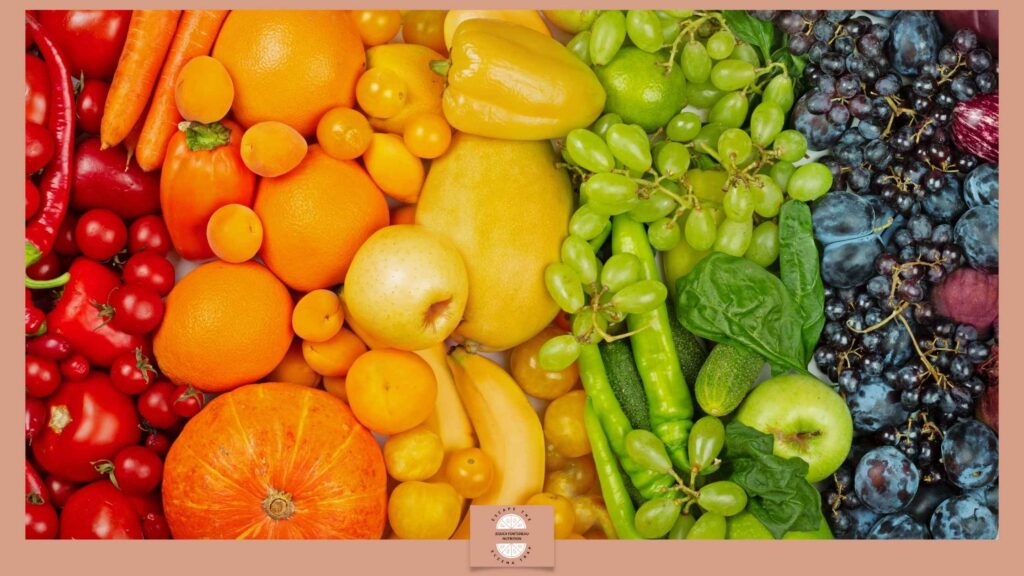
- Fruits and Vegetables – Colourful fruits and vegetables such as blueberries, spinach, and broccoli are rich in antioxidants like vitamin C and polyphenols, which help combat inflammation and support the skin barrier.
- Whole Grains – Whole grains like oats, quinoa, and brown rice provide fibre, which supports gut health and, by extension, skin health. Choose whole grains over refined options to minimise inflammation.
Identify and Eliminate Potential Food Triggers
For some children, certain foods can trigger dermatitis flare-ups. Common triggers include dairy, eggs, nuts, soy, and gluten. An elimination diet can help identify these triggers by removing potential culprits for a few weeks and gradually reintroducing them one at a time, observing any changes in the skin.
- Conducting an Elimination Diet – Elimination diets are useful but can be unsafe for young children. An eliminated food may cause a worse and even potentially dangerous reaction when reintroduced. Always undertake an elimination diet under the guidance of a healthcare or nutrition professional to ensure nutritional adequacy and avoid unnecessary food restrictions.
- Keeping a Food and Symptom Diary – I always encourage parents to keep a diary of what their child eats and any subsequent skin reactions. This can help pinpoint specific triggers and aid in creating a tailored diet plan. Here’s a template version for you to download
Incorporate Skin-Nourishing Nutrients
Certain nutrients are vital for skin health and can help reduce dermatitis symptoms. These include:
- Zinc – Essential for wound healing and maintaining skin integrity, zinc is found in foods like pumpkin seeds, chickpeas, and lean meats.
- Vitamin D – Known for its role in immune function, adequate levels of vitamin D can help manage inflammation. Encourage safe sun exposure and include foods like fortified cereals, eggs, and fatty fish.
- Probiotics and Prebiotics – A healthy gut microbiome is closely linked to skin health. Foods rich in probiotics (like yogurt, kefir, and fermented foods) and prebiotics (like bananas, asparagus, and garlic) can support a balanced gut environment and, potentially, reduce eczema symptoms. Caution however, as fermented foods can often be a trigger for flare for eczema sufferers.
Practical, Child-Friendly Meal Ideas
Creating meals that are both nutritious and appealing to children can be challenging. Here are a few ideas that incorporate skin-friendly nutrients:
- Omega-3 Fish Fingers: Make homemade fish fingers using wild-caught salmon or mackerel, coated in whole grain breadcrumbs and baked instead of fried.
- Colourful Veggie Smoothies: Blend spinach, avocado, and blueberries with a bit of banana for sweetness. Add a spoonful of flaxseed or chia seeds for an omega-3 boost.
- Chickpea and Veggie burgers: Create veggie burgers using mashed chickpeas, grated carrots, and courgette. Bake or pan-fry in olive oil for a nutrient-packed, child-friendly meal.

Partnering Nutrition with Traditional Medicine
Every child is unique, and their dermatitis triggers and nutritional needs can vary widely. Combining nutritional therapy with traditional medical approaches offers a more comprehensive strategy for managing childhood dermatitis.
- Complementary Care Plans: By integrating nutritional strategies with conventional treatments, such as emollients, topical corticosteroids, or antihistamines, a more rounded approach can be achieved. Nutrition can help address underlying inflammation and immune responses, while traditional medical treatments can provide immediate relief from symptoms.
- Collaborative Approach: Working in partnership with dermatologists, GPs, and Registered Nutritional Therapists ensures that all aspects of a child’s care are considered. This collaboration allows for the development of personalised care plans that address both the internal (nutritional) and external (topical and medical) factors contributing to dermatitis.
- Enhanced Patient Outcomes: By combining the strengths of both nutritional therapy and traditional medicine, parents can help manage their child’s dermatitis more effectively, potentially reducing flare-ups, minimising medication use, and improving overall skin health and well-being.
If you are not sure what questions to ask your GP or dermatologist, here’s a handout with a useful list to keep to hand.
Work with a Registered Nutritional Therapist
Partnering with a nutritional therapist who specialises in childhood dermatitis can help create a personalised nutrition plan that targets your child’s specific needs.
- Personalised Plans – A Registered Nutritional Therapist can help tailor an anti-inflammatory diet plan, identify food sensitivities, and ensure your child gets all the necessary nutrients for overall growth and skin health.
- Educational Support – They can also provide educational resources and support for parents to understand the nutritional choices that benefit their child’s skin condition.
If you are considering getting support, you can always book in for a free introductory call. Your opportunity to ask questions and find out more. You can book here.
In conclusion:
Managing childhood dermatitis with the support of the right nutrition can significantly improve a child’s quality of life. By focusing on anti-inflammatory foods, identifying potential triggers, and incorporating skin-nourishing nutrients, parents can provide substantial relief for their child’s eczema symptoms. Remember, each child’s journey with dermatitis is unique, and seeking professional guidance from a nutritional therapist can help tailor a strategy that works best for them.


WHO AM I?
I’m Jessica Fonteneau, the Eczema and Digestive Health Nutrition Expert. I’ve worked with hundreds of clients to help them change their diets, better manage their flares, and find relief.
My vocation is to help those with eczema and digestive issues, because I have suffered with these interlinked conditions since I was 6 months old, and I truly know what it is like to experience these debilitating conditions.
Every client I have ever worked with has their own triggers and ideal nutrition. There is no such thing as ‘one-size-fits-all’. Whether you work with me one-to-one or use my guided tools, my objective is to help you uncover what works best for you, so that you take back control and experience relief.
My guided programmes are only suitable for adults as children have very specific nutrition requirements. I do, however, work with many child clients as part of my clinic.
To easily keep up with my articles, masterclasses, ebooks and online programmes and receive exclusive access to early bird offers, subscribe to my Substack, The Eczema Trap® here.
Google Reviews


Basit Gilani
5 months ago
We have been working with Jessica for a while now for my son’s eczema and many food intolerances. We have come a long way with him tolerating a lot more foods whilst previously being on such a limited diet. We have seen a huge difference in his skin too. One thing we love about working with her is that she is highly knowledgeable about how the gut works, what food works well and how to carefully introduce food to increase tolerance. We would honestly be so lost without her support. She provides timely responses if we have any concerns and always has such an empathetic approach if we have a little bump in our journey.
I would recommend Jessica to any parents struggling with their childs eczema or any individuals out there trying to figure out eczema, want to naturally heal through foods and identifying triggers to get relief in your flares.
I would recommend Jessica to any parents struggling with their childs eczema or any individuals out there trying to figure out eczema, want to naturally heal through foods and identifying triggers to get relief in your flares.

Insight Parenting
7 months ago
I have no hesitation in highly recommending Jessica. She really knows her stuff! I first consulted her six months ago with lack of appetite, lack of energy and depression, not unrelated to having recently become a widow. Right from the start I was very impressed at the way Jessica really listened to me during her consultations, writing very thorough and detailed reports afterwards with her holistic recommendations . Six months later I am eating better, have more energy and even able to go dancing regularly (which is not bad for a 74 year old!) Thank you Jessica

Katharina Ehrhart
10 months ago
Jessica has helped save my sanity when I was suffering from unexplained symptoms. She very quickly identified that this could be the side effects of an overdose of supplements and once I discontinued these, I felt better quickly. I continued working with Jessica on other food and lifestyle questions and always found her extremely helpful, patient and knowledgable. I would recommend her to friends and family.

Olivia Churchill
10 months ago
Jessica was a fantastic support when my 1 year old developed severe eczema. We worked together to identify the root cause of her symptoms and Jessica advised an easy to follow, realistic and successful protocol for us to follow to help her manage this. My daughter’s skin significantly calmed down within weeks and although it’s been a long journey her eczema has now disappeared. Jessica has extensive knowledge on eczema and created a personal plan for us to follow. She was always available and willing to help and reassure where needed. I wouldn’t hesitate to recommend her to anyone looking for support with nutrition or skin issues. Thank you so much!

Farah Fenoughty
1 year ago
We have been working with Jessica Fonteneau for several months now. From the very first consultation Jessica was empathetic and listened attentively to concerns about our son's health and Eczema. Since then we are really seeing the benefits of her advice and nutritional recommendations. I have learnt so much! Jessica's offers practical and manageable solutions and doesn't bombard you with too much information or unattainable goals. I am so glad we found Jessica Fonteneau and highly recommend.

Evie Smith
1 year ago
After struggling with severe eczema nearly all my life and trying countless steroid creams/emollients prescribed by dermatology consultants I have finally been able to take back control of my skin through Jessica's trigger identifying diet. The skills and tool kit she has provided me with have been life changing and I'm confident I have everything I need to continue my journey without the help of a professional. Jessica has helped me to feel empowered through understanding my body and I am very grateful.

Hayley Brookhouse
2 years ago
Jessica has helped me and my son so much with some persistent eczema on his face. She put together a highly comprehensive plan and considered all aspects of his diet, routine and lifestyle. She has checked in several times since our appointment and I felt she really cared about his health and well-being. Highly recommend to any parents whose child is suffering from an allergy or skin disorder!
 English (UK)
  Français