
Your Eczema Travel Toolkit: Pack, Plan & Prepare
Travelling should be all about excitement and fun and not dread because you’re not sure how your skin will react whilst you are away. Sudden shifts in weather, air‑quality, time‑zones, and even the low‑pressure cabin itself, can strip moisture from already‑sensitive skin.
The good news? A bit of extra forethought can keep your skin calm so you can collect moments instead of flare‑ups.
This extended guide folds together dermatology best practice, lived‑experience hacks and stress‑taming mindset tips, giving you twice the depth of the original toolkit.
Real‑world lesson from my own suitcase
On my honeymoon in the Philippines, I packed bikinis and sun cream, but not a single eczema cream. Within days the sand, salt water and 34 °C humidity sparked a flare on my feet that quickly became infected. The tiny island had no doctor, so I was stuck on a sunbed with makeshift bandages until we reached Hong Kong, where an A&E consultant prescribed antibiotics and iodine foot‑baths. A small tube of steroid ointment and an antiseptic cream could have saved me pain and wasted activities. So, please from my mis‑step: always pack for the worst‑case scenario, not just the weather forecast.
Why travel can make eczema act up (and what to do about it)
- Ultra‑dry cabin air. Relative humidity on most commercial airplanes hovers around 20 percent, sometimes dipping as low as 10 percent, perfect conditions for your skin to dry out. Apply a thick, waxy ointment that forms a protective seal on exposed patches before boarding and re‑apply every two to three hours.
- Climate whiplash. Going from a mild spring in London to the muggy heat of Bangkok forces skin to recalibrate both sweat rate and sebum production, often within hours. Pack both light lotions for humidity and thicker creams for dry spells.
- Contact allergens. New detergents in hotel laundry, nickel in rental‑car keys, new fabrics on seatbacks, each can spark contact dermatitis. Keep a barrier spray or thin cotton scarf handy to create a physical buffer.
- Stress‑cortisol loop. Pre‑trip to‑do lists and time‑zone fatigue elevate cortisol, which can suppress skin‑immune balance and intensify itching. Counter with breathing apps or five‑minute guided meditations.
- Sleep disruption. Staggered rest affects the skin’s nighttime repair cycle; build a “sleep‑bank” by adding 30 minutes of extra shut‑eye per night for three nights before departure.
Before you book: eight useful steps
- Derm‑check & paperwork. Schedule a quick online or video dermatology appointment or in‑office visit 4–6 weeks before you leave. Request: prescription refills, a “fit‑to‑fly” letter for injectables, and the INN (international non‑proprietary name) of each medicine.
- Climate & season intel. Use an app like WeatherPro to review historical humidity, UV index and pollen data for your dates and plan your washbag accordingly.
- Medication regulations. Check embassy or health‑ministry pages carefully: hydrocortisone 1 % is available over‑the‑counter from any UK chemist, yet in the Netherlands, even at the same 1 % strength, you’ll need a doctor’s prescription. Japan restricts high‑potency steroids, while the UAE bans codeine without a notarised prescription. (www.gov.uk)
- Travel insurance with skin clause. Some plans exclude pre‑existing conditions. Choose one that explicitly covers eczema‑related GP visits or emergency steroids.
- Vaccination timing. Live vaccines (e.g., yellow‑fever) can transiently flare atopic skin. Aim for a two‑week buffer between jab and journey.
- Accommodation audit. Message hosts about hypoallergenic bedding, fragrance‑free cleaners and whether they allow late check‑out for showering before flights.
- Laundry strategy. Pack 3–5 fragrance‑free detergent sheets; a sink plug turns any basin into a laundry stop.
- Back-up products. Post items ahead via tracked parcel if luggage limits compress liquids; Amazon “locker” or hotel concierge holds often waive extra fees.
Picking your seat & mode of travel
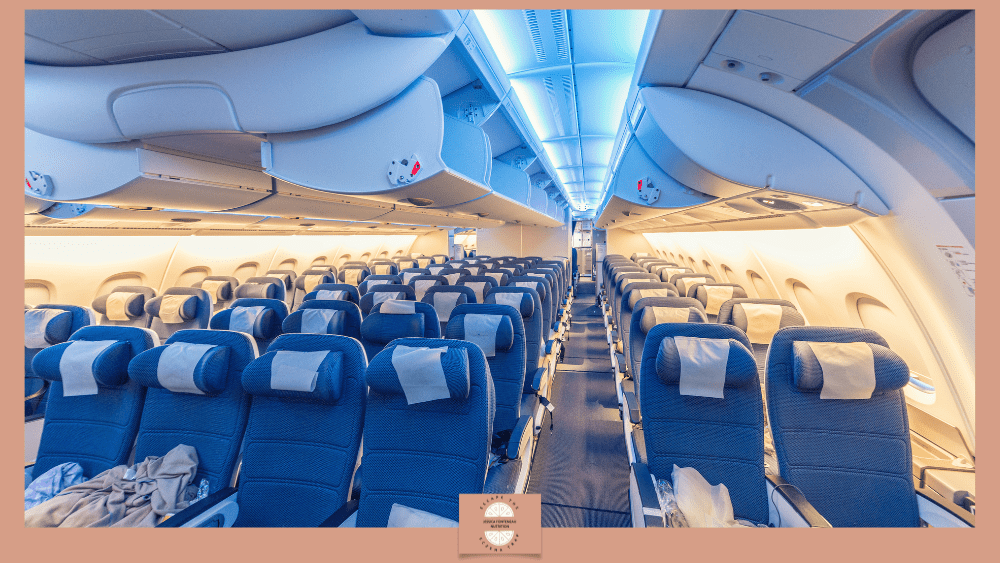
- Aisle vs. window. Pick the aisle if you can, it’s easier to stand, stretch and nip to the loo for a quick moisturiser top‑up. Moving about keeps blood flowing and helps prevent the puffiness that can build up in your feet and ankles after hours of sitting still.
- Bulkhead consideration. More leg‑room equals easier wet‑wrap changes for night flights.
- Overnight trains & sleeper buses. Bring a personal pillowcase and micro‑fleece blanket washed in your own laundry detergent.
- Road trips. Pre‑cool car with air-conditioning, keep humidity at ~40 percent with handheld mister, and store ointment in a cooler bag to prevent melting.
Carry‑on essentials (keep within arm’s reach)
| Item | Why it matters | Pro‑tip |
| 100 ml ointment decant | Thick seal locks in moisture even in bone‑dry cabin air | Screw‑top aluminium tin avoids leaks |
| Prescription topicals & oral meds | Customs & continuity | Photo each label in case of loss |
| Hydrating facial mist | Instant refresh | Thermal‑spring waters add anti‑inflammatory minerals |
| Mineral sunscreen stick | UV protection, no mess | Re‑apply every two hours near aircraft windows. Use a skin friendly brand such as https://www.avene.co.uk |
| Hypoallergenic wipes | Surface allergen removal | Wipe phone/earbuds too |
| Silk gloves & socks | Reduce friction | Sleep mask in silk calms eyelid eczema |
| Snack kit | Prevent ultra‑processed‑food temptations | Low‑histamine picks: rice crackers, apple slices |
| Empty 750 ml bottle | Encourage hourly hydration | Fill post‑security |
| Cooling gel patch | Rapid itch dampening | Store in cabin crew fridge if flight >8 h |
In‑Transit Rituals: plane, train & automobile
Plane
- Board early if possible, to wipe down arm‑rest and moisturise before take-off.
- Use noise‑cancelling headphones; lower stress equals lower itch perception.
Train
- Humidity is higher than aircraft, but dust mites thrive in fabric seats, lay a cotton scarf down first.
- Open windows between carriages for fresh air if allowed.
Road
- Plan rest stops every two hours for leg stretches and moisturiser top‑ups.
- Keep the car fragrance‑free and skip tree‑shaped air fresheners.
Checked bag & hotel kit (your washbag)
Moisture & cleansing
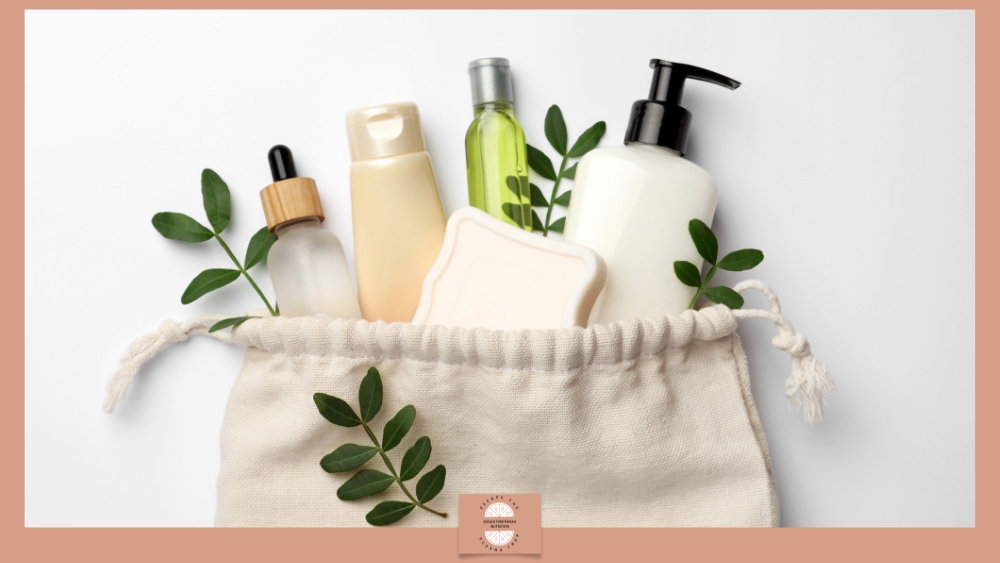
- 250–500 g emollient tub, decanted into flexible silicone pouches to save space.
- Gentle, sulphate‑free body wash plus a solid cleansing bar as spill insurance.
- Pocket‑size travel humidifier; run for at least two hours before bed.
Fabric & laundry
- Two sets of breathable cotton sleepwear, one spare for wet‑wrap nights.
- Mesh laundry bag keeps worn items separate from clean.
Wet‑wrap & rescue
- Re‑usable tubular bandages in three widths (hands, elbows, knees).
- Instant‑heat pack to soothe shivers after cool baths.
Environmental control
- Dust‑mite pillow cover; fold at foot of suitcase.
- Clip‑on hygrometer/thermometer—aim for 40–60 percent humidity indoors.
Accommodation hacks
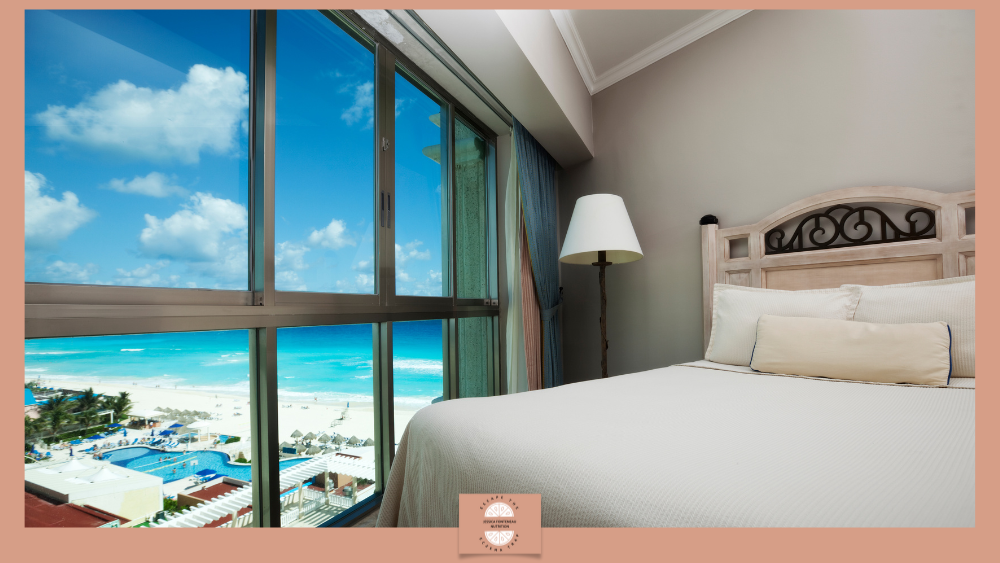
- Air‑flow first. Request a room away from pool chlorine or smoking areas.
- Bedding audit. Strip the decorative bed‑runner; it’s rarely washed and often chemically treated.
- Shower filter. Snap‑on carbon filters reduce hard‑water irritants; weight ~80 g.
- Fragrance‑free zone. Unplug wall scent diffusers on arrival; store them in a zip lock bag until your departure.
Feed your barrier: nutrition & hydration on the road
| Nutrient | Travel‑friendly source | Skin benefit |
| Omega‑3 | Tinned sardines, flax packets | Anti‑inflammatory lipid support |
| Vitamin C | Kiwi, bell‑pepper sticks | Collagen synthesis |
| Zinc | Pumpkin seeds sachet | Wound healing |
| Polyphenols | Green‑tea bags | Antioxidant defence |
Aim for 1.5× your normal water intake on flight days. Avoid or limit high‑histamine foods such as aged cheeses and cured meats if you are histamine‑sensitive.
On the move
- Layer wisely. Quick‑dry merino tees under cotton help soak up sweat and reduce chill after temperature swings.
- Micro‑movement & mindfulness. Use downloadable yoga‑stretch cards; 60 seconds per hour reduces limb swelling.
- Tech‑timeout. Blue‑light filters after sunset help protect circadian rhythm and skin repair.
At your destination
- Stick to home routines. Keep application order identical; unfamiliar layering can reduce steroid potency.
- Rinse after swimming. Bring a 100 ml squeeze of sulphate‑free wash in your beach bag.
- Patch‑test souvenirs. Apply new skincare to inner forearm for 48 h before full use.
- Climate‑smart clothing. Linen blend for tropics, bamboo thermals for cold, both reduce micro‑abrasion.
- Know local pharmacy hours. Some European cities close midday Sundays; stock up Saturday.
Kid‑corner: travelling with little explorers
- Pack double wipes and triple underwear. Accidents plus sweat equal’s itch.
- Story‑stickers: place animal stickers on moisturiser times to gamify compliance.
- Request bulkhead cot where available so you can re‑wrap limbs mid‑flight without elbowing neighbours.
- Keep a paediatric antihistamine (if approved) for nocturnal itch emergencies.
Flare first‑aid & local care
| Symptom | Quick fix | When to seek help |
| Mild redness/itch | 1 % hydrocortisone* plus a cool compress | If spreads after 48 h |
| Weepy blisters | Add antiseptic cream (chlorhexidine) | If pus forms or fever ≥ 38 °C |
| Sunburn on eczematous skin | Aloe gel, NSAID (if allowed) | If blistered over large area |
*Hydrocortisone 1 % is pharmacy‑only in some countries (e.g., the Netherlands). Carry a prescription if in doubt.
Locate the nearest A&E or medical centre on day one and save the address offline.
Great adventures start with great prep. By packing smart, respecting your skin’s needs and pacing your itinerary with rest‑and‑rehydrate breaks, you empower both body and mind to soak up every postcard moment, minus the itch. Safe journeys and happy skin!
This article is for general educational purposes and is not a substitute for personalised medical advice. Always consult your healthcare provider for recommendations tailored to you.


WHO AM I?
I’m Jessica Fonteneau, the Eczema and Digestive Health Nutrition Expert. I’ve worked with hundreds of clients to help them change their diets, better manage their flares, and find relief.
My vocation is to help those with eczema and digestive issues, because I have suffered with these interlinked conditions since I was 6 months old, and I truly know what it is like to experience these debilitating conditions.
Every client I have ever worked with has their own triggers and ideal nutrition. There is no such thing as ‘one-size-fits-all’. Whether you work with me one-to-one or use my guided tools, my objective is to help you uncover what works best for you, so that you take back control and experience relief.
My guided programmes are only suitable for adults as children have very specific nutrition requirements. I do, however, work with many child clients as part of my clinic.
To easily keep up with my articles, masterclasses, ebooks and online programmes and receive exclusive access to early bird offers, subscribe to my Substack, The Eczema Trap® here.
Google Reviews


Basit Gilani
5 months ago
We have been working with Jessica for a while now for my son’s eczema and many food intolerances. We have come a long way with him tolerating a lot more foods whilst previously being on such a limited diet. We have seen a huge difference in his skin too. One thing we love about working with her is that she is highly knowledgeable about how the gut works, what food works well and how to carefully introduce food to increase tolerance. We would honestly be so lost without her support. She provides timely responses if we have any concerns and always has such an empathetic approach if we have a little bump in our journey.
I would recommend Jessica to any parents struggling with their childs eczema or any individuals out there trying to figure out eczema, want to naturally heal through foods and identifying triggers to get relief in your flares.
I would recommend Jessica to any parents struggling with their childs eczema or any individuals out there trying to figure out eczema, want to naturally heal through foods and identifying triggers to get relief in your flares.

Insight Parenting
7 months ago
I have no hesitation in highly recommending Jessica. She really knows her stuff! I first consulted her six months ago with lack of appetite, lack of energy and depression, not unrelated to having recently become a widow. Right from the start I was very impressed at the way Jessica really listened to me during her consultations, writing very thorough and detailed reports afterwards with her holistic recommendations . Six months later I am eating better, have more energy and even able to go dancing regularly (which is not bad for a 74 year old!) Thank you Jessica

Katharina Ehrhart
10 months ago
Jessica has helped save my sanity when I was suffering from unexplained symptoms. She very quickly identified that this could be the side effects of an overdose of supplements and once I discontinued these, I felt better quickly. I continued working with Jessica on other food and lifestyle questions and always found her extremely helpful, patient and knowledgable. I would recommend her to friends and family.

Olivia Churchill
10 months ago
Jessica was a fantastic support when my 1 year old developed severe eczema. We worked together to identify the root cause of her symptoms and Jessica advised an easy to follow, realistic and successful protocol for us to follow to help her manage this. My daughter’s skin significantly calmed down within weeks and although it’s been a long journey her eczema has now disappeared. Jessica has extensive knowledge on eczema and created a personal plan for us to follow. She was always available and willing to help and reassure where needed. I wouldn’t hesitate to recommend her to anyone looking for support with nutrition or skin issues. Thank you so much!

Farah Fenoughty
1 year ago
We have been working with Jessica Fonteneau for several months now. From the very first consultation Jessica was empathetic and listened attentively to concerns about our son's health and Eczema. Since then we are really seeing the benefits of her advice and nutritional recommendations. I have learnt so much! Jessica's offers practical and manageable solutions and doesn't bombard you with too much information or unattainable goals. I am so glad we found Jessica Fonteneau and highly recommend.

Evie Smith
1 year ago
After struggling with severe eczema nearly all my life and trying countless steroid creams/emollients prescribed by dermatology consultants I have finally been able to take back control of my skin through Jessica's trigger identifying diet. The skills and tool kit she has provided me with have been life changing and I'm confident I have everything I need to continue my journey without the help of a professional. Jessica has helped me to feel empowered through understanding my body and I am very grateful.

Hayley Brookhouse
2 years ago
Jessica has helped me and my son so much with some persistent eczema on his face. She put together a highly comprehensive plan and considered all aspects of his diet, routine and lifestyle. She has checked in several times since our appointment and I felt she really cared about his health and well-being. Highly recommend to any parents whose child is suffering from an allergy or skin disorder!
 English (UK)
  Français